
Sport and Inclusion: 15 New Projects Launch Across Southern Italy
The initiatives will receive €4 million in funding and will be launched in areas marked by socio-economic vulnerability. More than 20 unused, run-down spaces will be brought back into use, with 4,000 people taking part in inclusive sports activities, training initiatives, and healthy lifestyle promotion.
Sports fields, assets confiscated from organized crime, parks, school gymnasiums, youth centres, and multipurpose facilities across Southern Italy that have long been unused, abandoned, or in decay will be returned to local communities to host inclusive, non-competitive sports activities that promote well-being.
This will be made possible by 15 projects that the Foundation selected through its call for proposals ‘Sport e inclusione’ (Sport and Inclusion). Funded with €4 million, they focus mainly on peripheral urban areas, working-class neighbourhoods, and small towns marked by socio-economic vulnerability, aiming to reduce regional inequalities and strengthen local social infrastructure in settings where sports and educational provision is often lacking.
Five projects will launch in Campania (in the provinces of Naples, Avellino, and Salerno); four in Sicily (Palermo, Agrigento, and Trapani); three in Puglia (Bari, Brindisi, and Lecce); two in Sardinia (Sassari and Cagliari); and one in Basilicata (Potenza).
‘Playing sport cannot be a luxury for the few; it must be a right for everyone’, said Stefano Consiglio, President of Fondazione con il Sud. ‘Too often, a lack of facilities and economic difficulties turn physical activity into an invisible barrier that isolates the very people who would benefit most from social interaction. By supporting these projects, the Foundation is once again committing to invest in sport as an important tool for cohesion and social inclusion, not only by restoring spaces that until now could not be used, but by creating genuine hubs for active citizenship and health.’
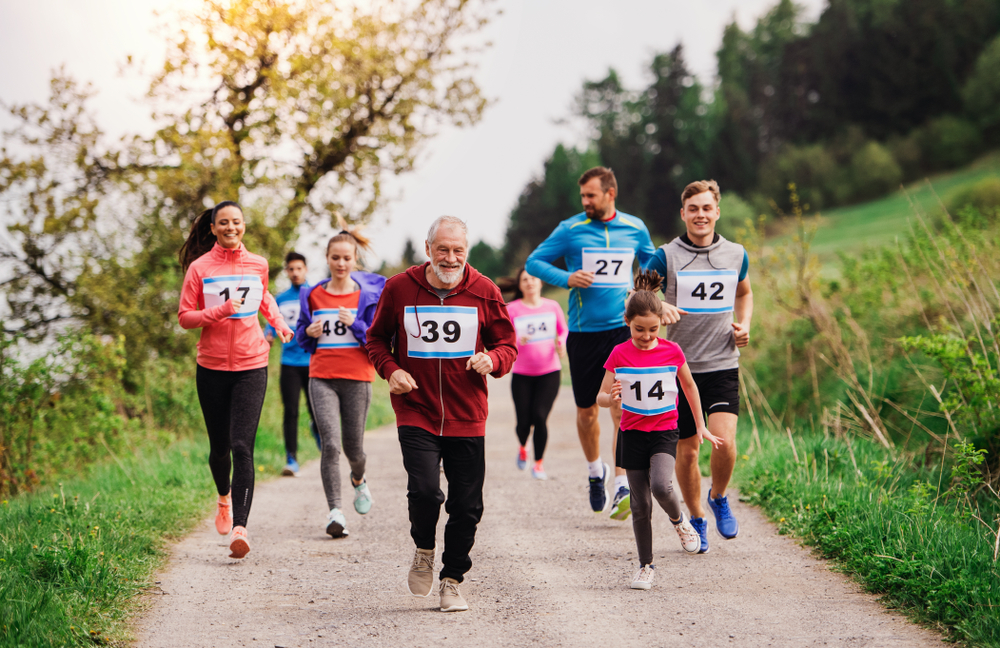
The initiatives will enable 4,000 people to take part in various sports, including track and field, martial arts, team sports, gentle exercise, social football, experiential trekking, hockey, yoga, and volleyball. These activities will be complemented by initiatives to raise awareness of healthy lifestyles, health screenings, health advice services, and community walks. The projects are aimed in particular at people facing difficult circumstances, including at-risk minors, young people not in employment, education or training (NEETs), people with disabilities, older people living alone, and migrants. They will provide more than 35,000 hours of sports activities. In addition, more than 200 people will take part in training programmes, including sports instructors, activity leaders, social workers, and young people from the local area, who can obtain recognized qualifications or start a career path.
Each project draws on a large and diverse network of organizations, with an average of eight partners per initiative. In total, around 130 organizations are involved, including associations, social cooperatives, foundations, public bodies, for-profit entities, and amateur sports clubs.
Only 16 % of people in Southern Italy practise sport regularly, compared with the national average of 25 %. The gap is also clear among young people: in the South, more than 28 % of those aged 11 to 17 do not engage in physical activity, twice as high as in Northern Italy. The percentage drops sharply among people on low incomes and those facing difficult circumstances, including people with disabilities or a migrant background. Inequality in access to sport is therefore one of the many faces of social exclusion.
Multiple barriers limit access to sport. Costs are a major obstacle: more than 30 % of families in Southern Italy say they cannot afford to enrol in sports courses or gyms. Inadequate facilities in inland and outlying areas are another structural barrier, particularly affecting the most vulnerable groups. Many Southern Italian cities lack public sports facilities, or they are closed or unfit for use.